Personality is the traits and attitudes that can be suspected in someone and affect the patterns of cognitive, affective and behavioral. The patterns in a long time, consciously or unconsciously, and affect people's response and adaptation to the environment. Adaptation is the center of personality theory.
Definition of Personality Disorders
Kerberg (1984): maladaptive attitudes that produce or influence the psychological considerations, causing emotional disturbance and damage relations with others.
Maladaptive responses such as inflexible, rigid, is a pathological condition that causes the client stress, anxiety and depression.
1. Paranoid Personality Disorder
 Pervasive suspicion and unwarranted and not trust to others.
2. Schizotypal and Schizoid Personality Disorder
 The inability to form close personal relationships
Intervention:
3. Antisocial Personality Disorder
 The person does not behave according to social norms.
Characteristics: failure to learn from experience, often acting risky and impulsive, no guilt and recurrent, exploit others, does not respect the rights of others, there is no loyalty and honesty.
Interventions:
4. Borderline Personality Disorder
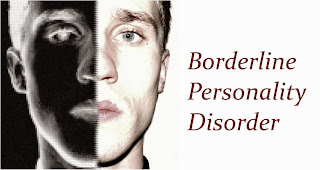 An instability in interpersonal relationships, self-image and feeling natural.
Interventions:
5. Histrionic Personality Disorder
 The behavior of clients ranging from high ego functions (attention-seeking) to the lower ego functions (want to have intercourse with anyone, impulsivity, and psychosis).
Behavior seen:
This disorder in women, relationships with others are usually superficial, flamboyant, and prefer to rely on therapists
Interventions:
6. Narcissism Personality Disorder
 People who are enjoying themselves and are always acting to please him.
Characteristics:
Interventions:
7. Avoidant Personality Disorder
 Always avoid participating in activities because of fear of being criticized, belittled or rejected.
Interventions:
8. Dependent Personality Disorder

Interventions:
9. Obsessive-Compulsive Personality

Read More..
Definition of Personality Disorders
Kerberg (1984): maladaptive attitudes that produce or influence the psychological considerations, causing emotional disturbance and damage relations with others.
Maladaptive responses such as inflexible, rigid, is a pathological condition that causes the client stress, anxiety and depression.
1. Paranoid Personality Disorder

- Often feel like to be kept others from feeling threatened or attacks from others.
- Mood them sensitive and hostile, aloof.
- Difficult to build a trusting relationship
- Be careful in dealing with other people.
- Pathological jealousy.
- Inability to relax, lacking a sense of humor.
- Critical to the others, but it is difficult to accept criticism.
- Approach calm manner, empathy and avoid things that make jealous.
- Due to suspicious clients will harm everyone, then the nurse must consider verbal and non-verbal signs to determine if the client is being aggressive or hostile.
- All actions will be discussed first so he understands the reason and purpose, so as not suspicious.
- Try to act according to the agreements made.
- Support adaptive behaviors such as trust others are not always going to threaten, that self safe. Able to adapt to stressors.
2. Schizotypal and Schizoid Personality Disorder

- This person is difficult to relate to others, and difficult to maintain intimate relationships.
- Tend could develop into schizophrenia, and there is a genetic element.
- The signs are: isolation, limited interaction with peers, social anxiety, school performance is not good, hypersensitivity, limitations in speech and thought process, no warmth / softness.
- Do not care about the praise / criticism of others.
- Affect blunt, flat, pulled away and looked cool.
Intervention:
- Approach client calmly.
- Adjust the level of talks with the relationship with the client, observe the verbal and nonverbal.
- Include in group therapy.
- Arrange level client relationships, for example, starting from the nurse-client relationship, the client - the client, the client with another group and finally group therapy.
3. Antisocial Personality Disorder

Characteristics: failure to learn from experience, often acting risky and impulsive, no guilt and recurrent, exploit others, does not respect the rights of others, there is no loyalty and honesty.
- Tend to be drug addicts.
- They are manipulative and are happy to argue
- Teams often fail to address the health because they often do unlawful acts and norms, cheat, do not have a plan as impulsive, there is a history of fighting, insulting and aggressive, could endanger themselves and others, failed to manage finances.
Interventions:
- Be an example of how to interact with sound.
- Do not get stuck client behaviors such as arguing, make sure the rules and sanctions that will be earned if not obedient, discuss the impact of his behavior over the years.
- Include in group therapy, family and health care team work together so that all the same rules and be consistent.
- Encourage clients to get along with others so that good self-esteem.
4. Borderline Personality Disorder

- This guy has an ego that is not integrated and fragile.
- When stressed, he will regression, spliting (looking at the world as a dichotomous, good - bad, positive-negative), deny and projections.
- Tend to feel lonely, hurting himself.
Interventions:
- Soothing at a critical time.
- Because nurses often refer to either (when his will be obeyed) or bitchy sisters, it is often a conflict. So the nurse to avoid and resolve conflicts.
- Create a list of daily activities, regulations, responsibility and a clear agreement.
- Avoid self-harm acts directly or indirectly because he felt himself evil.
- If necessary collaborative physician for appropriate medication symptoms.
- Include in group therapy.
5. Histrionic Personality Disorder

Behavior seen:
- Feeling uncomfortable in a situation where he is not the center of attention.
- Having sexual intercourse with many people.
- Perform physical attractiveness to seek attention.
- Diction made as attractive as possible.
- Behave dramatic, as in the theater at the time of expressing his emotions.
- Easy on the suggestion.
- Like intimate relationship with anyone, even if other people do not feel it.
- Overreaction to minor events
- Arrogant and demanding behavior
This disorder in women, relationships with others are usually superficial, flamboyant, and prefer to rely on therapists
- His ego makes him fantasize, fall in love with the therapist.
- Coping: dissociation, repression.
- Other maladaptive behavior: temper tantrums, manipulative, relentless demand.
Interventions:
- Consistent, understanding, overcoming feelings of love or hate the therapist
- Making the environment do not cause maladaptive behavior.
- Discuss about fantasy, brought to reality
- Teach healthy behaviors in achieving goals, teach constructive coping.
- Taught the principles and healthy behaviors.
6. Narcissism Personality Disorder

- The person is able to work but are often asked for help because of difficulty in dealing closely with other people, no neurotic symptoms, sexual difficulties, and there is a chronic feeling of emptiness.
Characteristics:
- Want to be considered superior.
- There is a fantasy of self; successful, beautiful, clever, powerful and worthy of love.
- Self confident; special, unique, and can only be understood by the party whose status is "similar" to themselves.
- Want to be admired
- Take advantage of other people's interests.
- No empathy, like jealous / envious of others and consider others as well as against him.
- Feeling cocky mask feelings of inferiority, insecurity and inadequacy.
Interventions:
- The nurse must be aware of the client's reaction face egocentric and love for attention.
- Increase self esteem clients.
- Involve the client in any event nearby so he started paying attention to other people and the environment.
- Client must view themselves from another viewpoint.
- Other interventions together with the borderline personality.
7. Avoidant Personality Disorder

- Refuse to participate unless there is a guarantee not to be denied.
- Can not relate to other people for fear of being rejected.
- Felt stupid, incapable, shy.
- Always look for signs of rejection, although the positive relationship.
Interventions:
- Develop a relationship of trust with clear rules that he felt he received
- Always try to be honest and relaxed
- Emphasizing that it is a valuable client to be friends.
8. Dependent Personality Disorder

- Clients always depend and feel inferior.
- Always ask for support and advice, not to make a decision.
- Acting like a child, refused responsibility as adults.
- Always fear, relying on the people who take care of him.
Interventions:
- Learn each client request will not depend.
- Try the client makes the decisions, the nurse simply pave the way or insight.
9. Obsessive-Compulsive Personality

- Rigid in living standards that have been set.
- The client is very anxious, very fear of losing control of her ability.
- He gave very little material, feelings and concerns.
- Relieve anxiety and increase self-esteem.
- The use of medication to calm.
- Adjust the signs and symptoms.
- Give cognitive therapy that they are safe.


